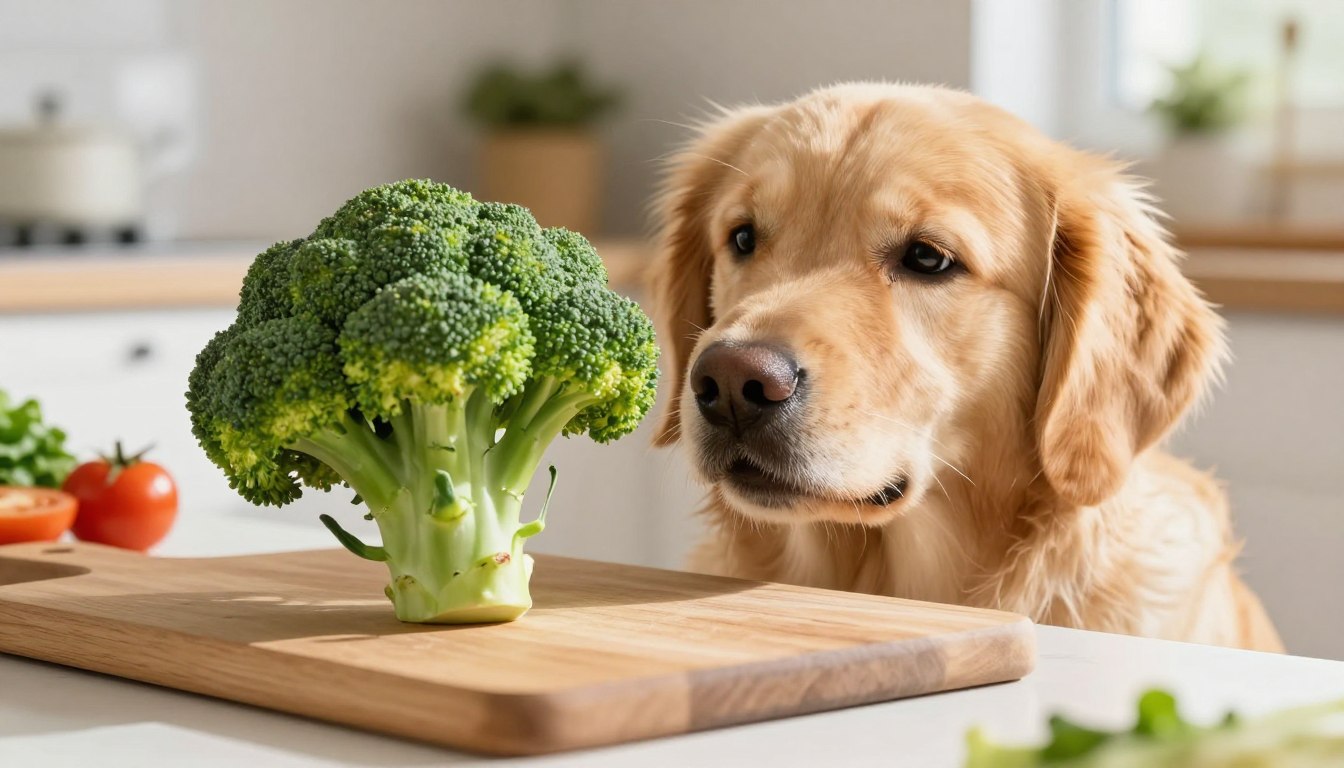
Many pet parents wonder if sharing human snacks with their furry friends is a good idea. You might be curious if broccoli is a healthy addition to your pet’s bowl. It’s important to understand the nutritional profile of various plants for responsible pet ownership.
We aim to help you make informed choices about your pet’s diet. To determine whether broccoli is safe for dogs, we need to consider both the benefits and risks. By following these expert-backed tips, you can ensure your pet enjoys a nutritious treat without health concerns.
Key Takeaways
- Cruciferous vegetables offer vitamins, but should be served in moderation.
- Always wash produce thoroughly to remove pesticides or dirt.
- Small florets are easier for pets to digest and prevent choking.
- Avoid adding seasonings, oils, or butter to your pet’s portion.
- Monitor your pet for any digestive upset after introducing new foods.
Understanding the Nutritional Value of Broccoli for Canines
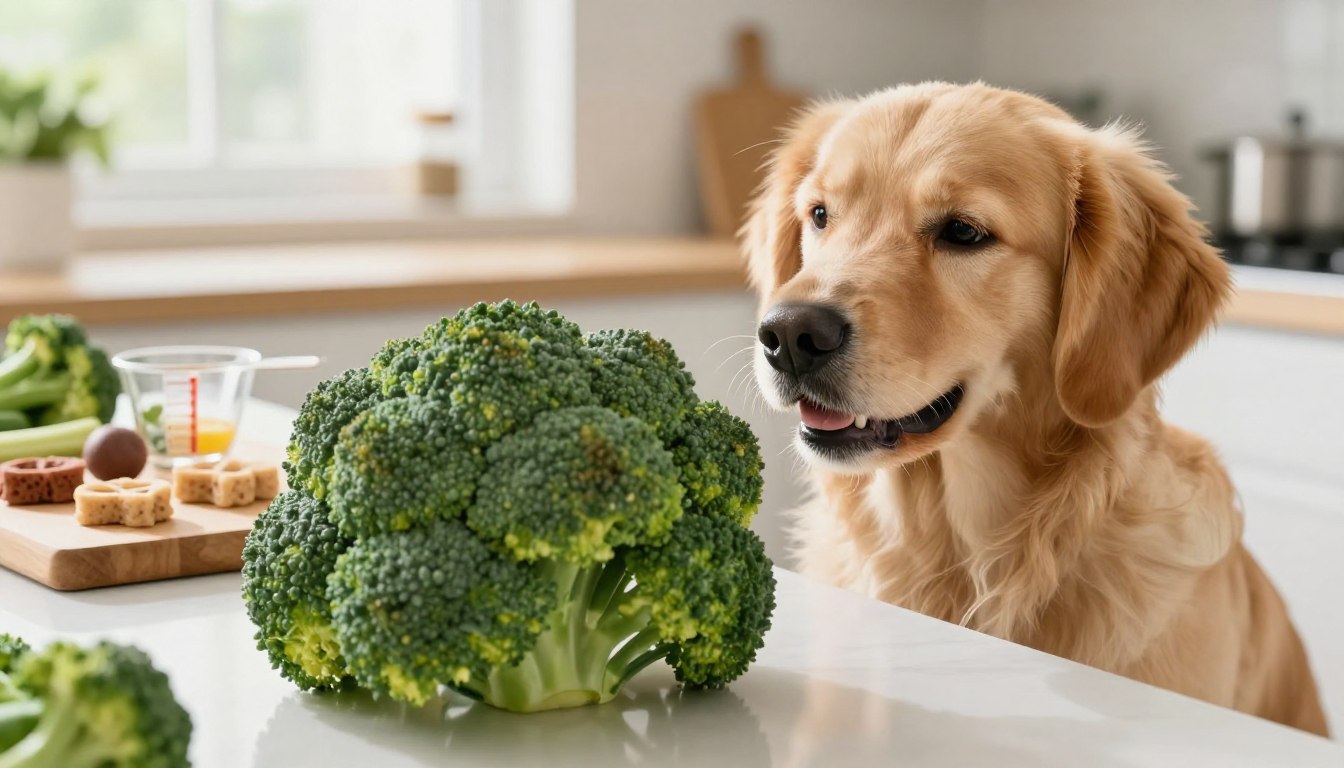
Broccoli is a superfood for humans and can be great for dogs, too. It’s a top dog-friendly vegetable with lots of vitamins. These vitamins help keep your pet healthy for a long time. Even though dogs mainly eat meat, some plant nutrients can really help.
Looking at broccoli and canine nutrition, it’s like a natural supplement. It has important compounds for the body. Experts say the fiber and vitamins in broccoli support a balanced diet.
“Vegetables can serve as excellent low-calorie treats that provide essential micronutrients often missing from standard commercial kibble.”
The vitamins in broccoli are key to your dog’s health. Here’s how they help:
- Vitamin A: Keeps skin, coat, and eyes healthy.
- Vitamin C: Boosts the immune system.
- Vitamin K: Helps with bones and blood clotting.
Broccoli is a standout among vegetables that dogs can eat. It’s easy to find and cook. But remember, it’s meant to add to, not replace, a good meat diet. Small portions are best to avoid any tummy troubles.
Can Dogs Have Broccoli Safely in Their Diet
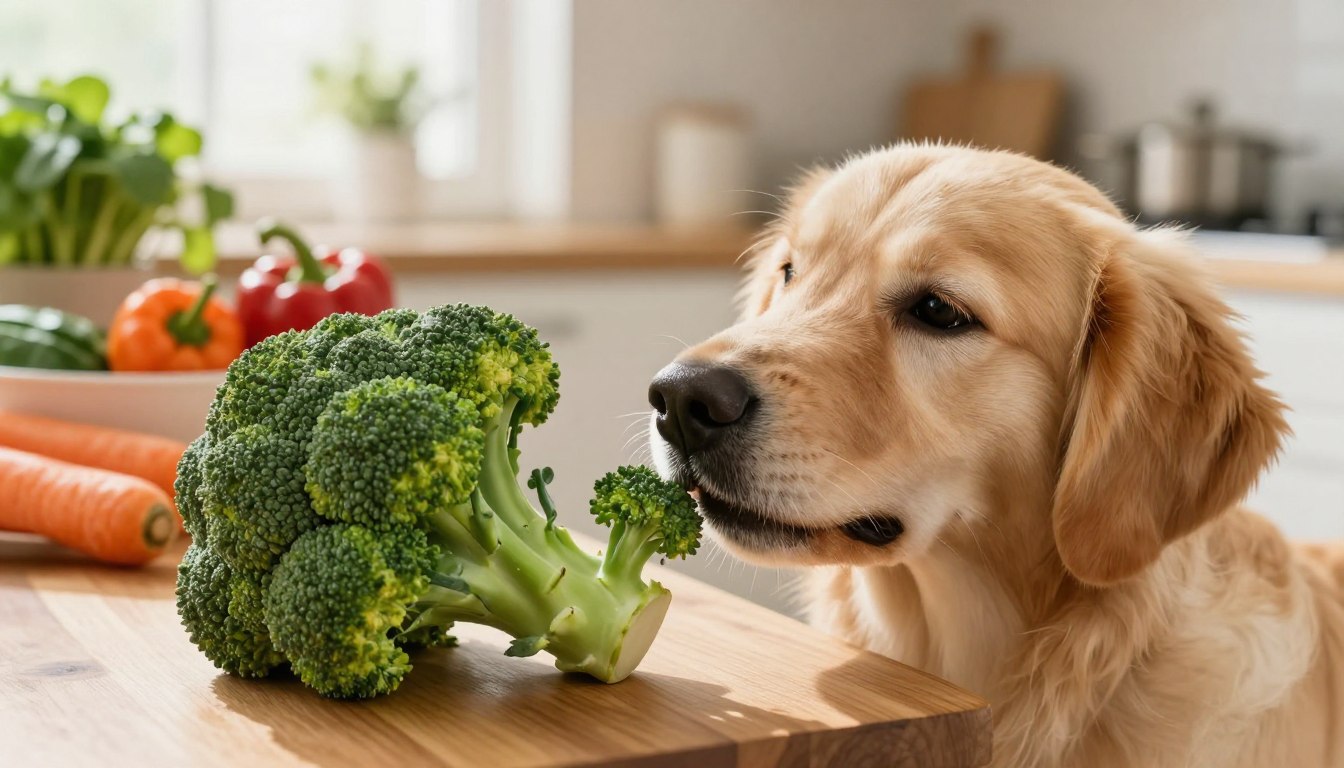
Many pet owners wonder if can dogs have broccoli. This green veggie is not toxic like onions or garlic. But, it’s not risk-free if given in big amounts.
The main worry is isothiocyanates. These can upset a dog’s stomach, causing mild to severe irritation. So, adding broccoli to canine diet plans needs careful portion control. This keeps your dog both happy and healthy.
So, is broccoli safe for dogs in general? Yes, but only as an occasional treat, not a regular meal. Every dog‘s body is different. Some might be more sensitive to veggies like broccoli.
Before giving your dog new foods, always check with your vet. A vet can make sure the food is right for your dog. Knowing what’s safe is key to adding veggies to your dog’s diet.
Health Benefits of Adding Broccoli to Your Dog’s Meals
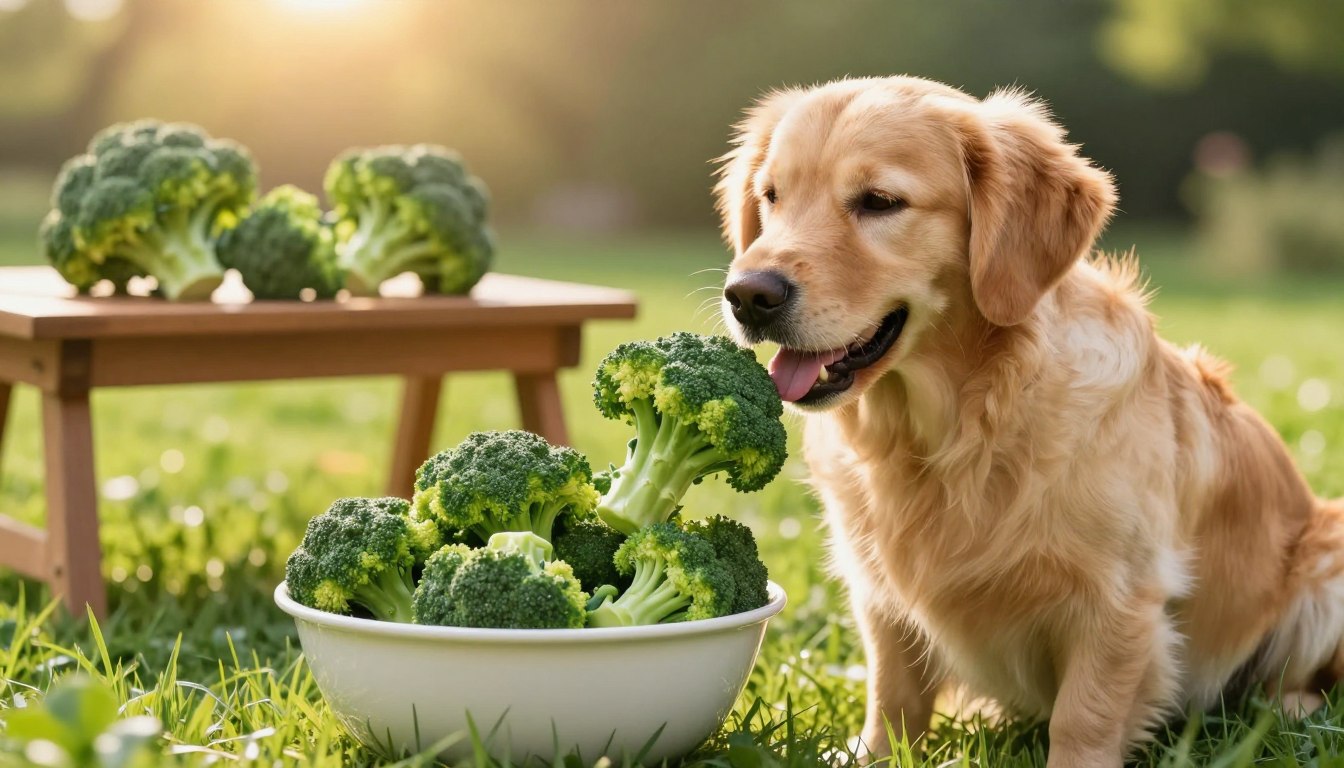
Adding broccoli to your dog’s bowl does more than just add crunch. It brings a wealth of health benefits. Many pet owners are surprised to learn that the benefits of broccoli for dogs go beyond simple snacking. This veggie is a nutrient-dense powerhouse that boosts your pet’s daily energy.
One key benefit is its high fiber content. Fiber is essential for keeping your dog’s digestive system regular. Adding small amounts to their diet helps keep things moving smoothly and efficiently.
Also, broccoli is low in fat, making it great for weight-conscious pets. If your dog needs to lose weight, this crunchy snack is filling without adding too many calories. Knowing about broccoli and canine nutrition helps you make better choices for your pet’s health.
Beyond helping with weight, broccoli is full of antioxidants and vitamins. It’s rich in Vitamin C, Vitamin K, and Vitamin A. These nutrients boost your dog’s immune system, protecting cells and supporting overall health. This is why broccoli is often seen as a true superfood for our furry friends.
Potential Risks and Side Effects of Overfeeding

Feeding too much broccoli to your dog can cause digestive distress. Broccoli is full of vitamins, but it’s not a main food for pets. Eating too much can lead to stomach problems, making your dog very uncomfortable.
The main problem is isothiocyanates, found in many veggies. These can upset a dog’s stomach, causing gas, bloating, or diarrhea. Too much broccoli can mess with your dog’s digestion.
Puppies are extra sensitive because their stomachs are not fully grown. Their stomachs can easily get upset by food. It’s best to keep broccoli out of your puppy’s food to avoid pain.
Knowing these risks helps you keep your dog happy and healthy. It’s important to give treats in small amounts. This way, you can give your dog a tasty snack without upsetting their stomach.
Step-by-Step Guide to Preparing Broccoli for Your Dog
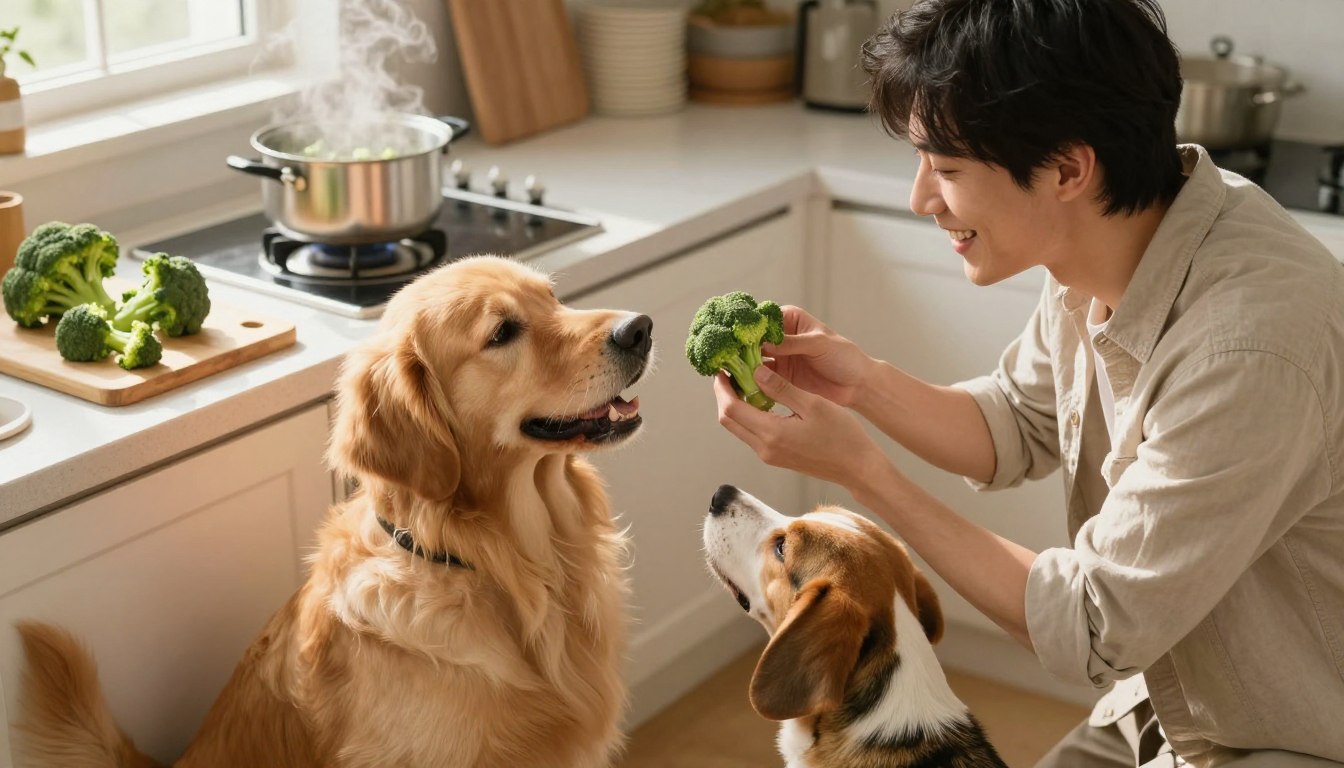
When you decide to feed dogs broccoli, how you prepare it matters a lot. Cleaning and trimming the broccoli makes sure your dog gets a healthy snack. Here are some easy steps to make a safe treat every time.
Selecting Fresh and Organic Broccoli
Start with the best broccoli at the store. Look for firm, bright green heads. Opt for organic to avoid pesticides. If organic is not available, check for any signs of damage.
Proper Washing and Cleaning Techniques
Even if the broccoli looks clean, wash it well. Use cool, running water to remove dirt and bacteria. Here’s how to clean it properly:
- Rinse the broccoli head under cold water for at least thirty seconds.
- Use a soft vegetable brush to gently scrub the florets.
- Pat the vegetable dry with a clean paper towel before cutting.
Removing Harmful Leaves and Stems
The florets are usually safe, but leaves and stems can be risky. Leaves are hard for dogs to digest, and stems can be a choking hazard. When feeding dogs broccoli, cut the florets into small pieces. This makes them easy for your dog to chew and swallow.
Cooking Methods for Optimal Digestibility
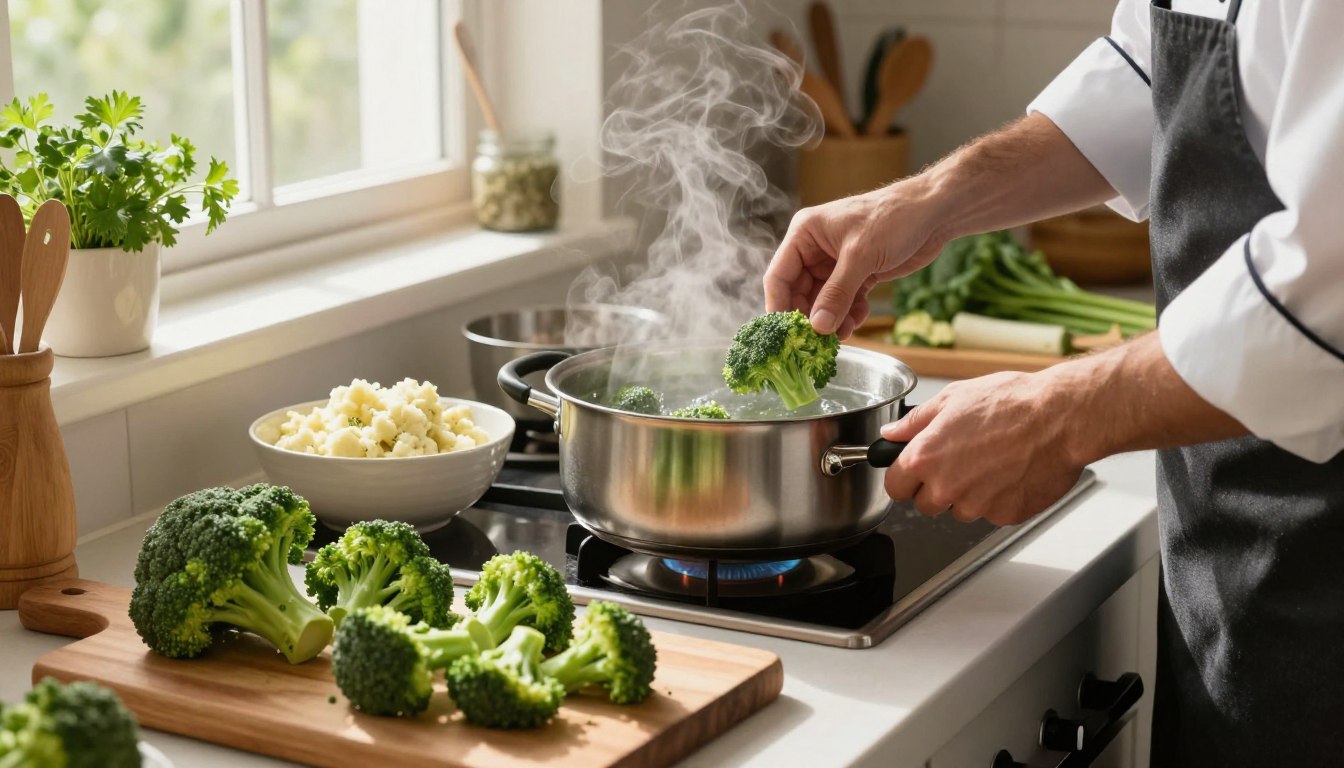
Choosing the right way to cook broccoli is important for your dog’s health. Broccoli is full of nutrients, but it can be hard on a dog’s stomach. Proper preparation helps your pet get the most health benefits without digestive stress.
Steaming Broccoli for Softness
Steaming is the best method for preparing broccoli for dogs. It makes the tough stalks and florets soft. Place the broccoli in a steamer basket over boiling water for about five minutes until it’s tender.
Let the steamed broccoli cool completely before giving it to your pet. Cooling prevents accidental mouth burns and makes it more appealing. You can mash the soft florets into your dog’s regular food for a nutritious boost.
Boiling and Blanching Guidelines
Boiling or blanching broccoli should be quick. Boiling for too long can reduce its nutritional value. Aim for a quick dip in boiling water.
Blanching involves dropping the broccoli into boiling water for two minutes, then into an ice bath. This keeps the color bright and the texture pleasant. Never add salt, butter, or seasonings to the water, as they are harmful to dogs. Keep it plain to ensure your dog stays healthy and happy.
Serving Raw Broccoli in Moderation
Some dogs like the crunch of raw broccoli, but it’s safe only in small amounts. Raw stalks can be hard to digest and may pose a choking hazard for smaller breeds. If you serve it raw, always chop the broccoli into very small, manageable pieces.
Watch your dog closely the first time they try raw broccoli to avoid gas or bloating. If your dog has a sensitive stomach, cooked broccoli is safer. Moderation is key when introducing new vegetables to your dog’s diet to keep their digestive system running smoothly.
Determining the Right Portion Sizes for Your Breed
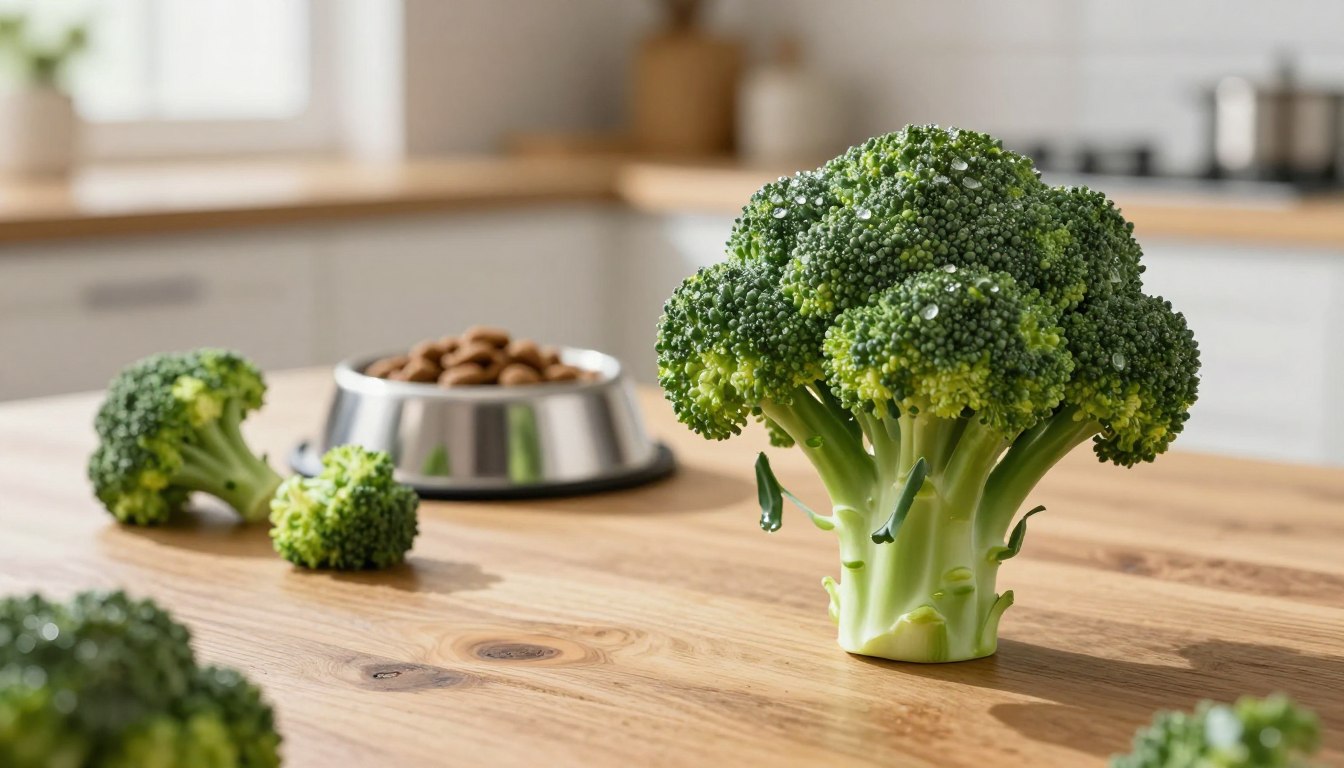
Managing your dog’s weight starts with knowing how many calories they need. Each breed has its own calorie needs, and too many calories can cause weight gain. Consistency is key when adding new snacks to their diet.
Calculating Daily Caloric Intake
To find the right food amount, first figure out your dog’s resting energy needs. Age, activity level, and body condition all matter. Consulting with your veterinarian is the best way to get a baseline for your pet.
After knowing your dog’s daily calorie needs, you can add broccoli to the canine diet wisely. Keeping a log of what your dog eats helps avoid overfeeding. This habit keeps your pet at a healthy weight while adding variety.
The Ten Percent Rule for Treats
Pet nutritionists often suggest the “10% rule.” It means treats should not be more than ten percent of your dog’s daily calories. This ensures they get most of their nutrition from their main meals.
Choosing healthy treats for dogs, like broccoli, is a great choice. It’s low in calories but packed with nutrients. Remember, treats should supplement, not replace, a balanced diet.
Signs of Digestive Upset to Watch For
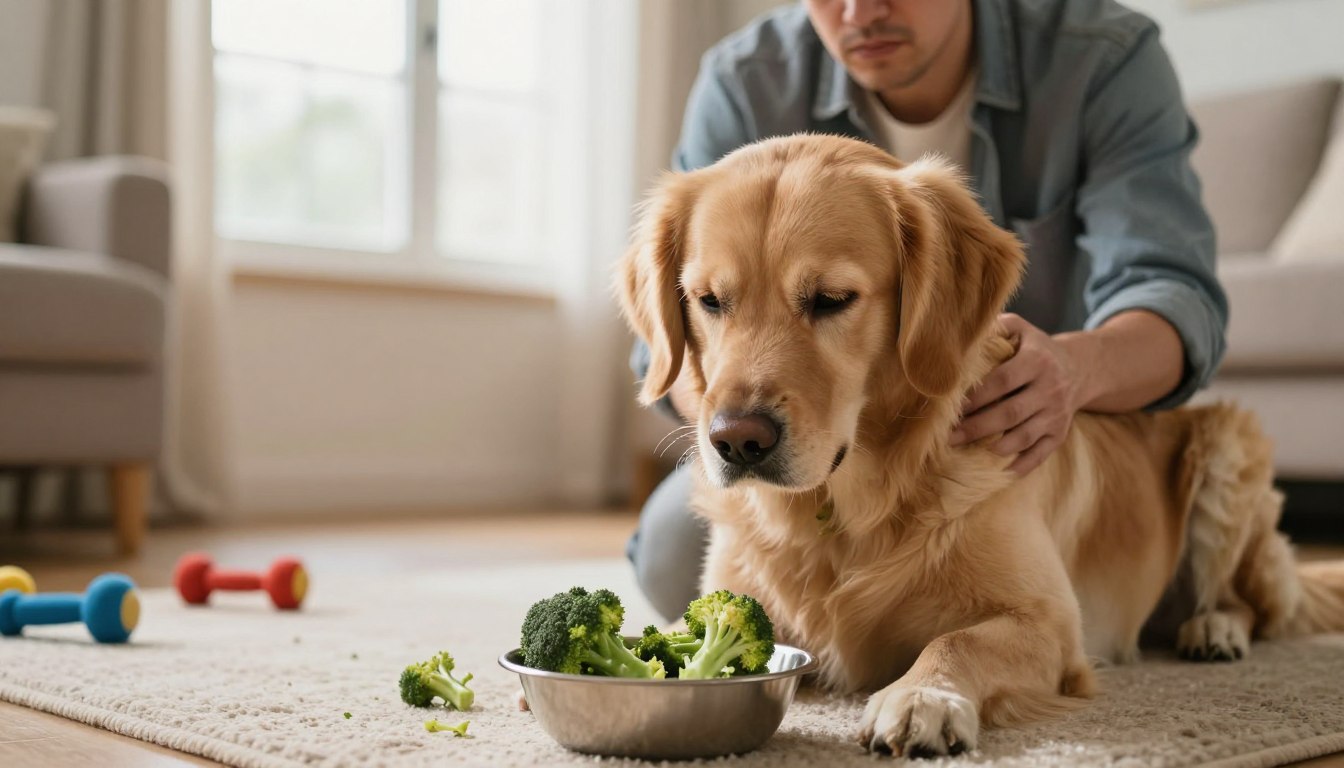
It’s great to see your dog enjoy a healthy snack. But, it’s key to watch for signs of digestive trouble. Even with careful preparation, every dog reacts differently to new foods. Being observant helps keep your pet happy and healthy.
Identifying Symptoms of Gas and Bloating
Mild gas is a common reaction to new veggies. If your dog passes more wind, it means their body is working hard. Keep a close eye on their behavior to see if they seem restless or uncomfortable.
Watch their bathroom habits for any changes in stool consistency. A small amount of loose stool is okay sometimes. But persistent diarrhea or straining is a warning sign. If their belly looks swollen or hard, it might be painful bloating that needs quick help.
When to Contact Your Veterinarian
Knowing when to stop a treat is important for pet owners. If your dog seems tired, vomits, or loses appetite after broccoli, stop the snack right away. These signs could mean a food sensitivity or a bigger problem.
If your dog shows signs of an allergic reaction, like hives or itching, call your vet. Professional guidance is safest when you’re unsure about your dog’s reaction to a new food. It’s always better to be safe and keep your pet comfortable and safe.
Creative Ways to Incorporate Broccoli into Dog Treats
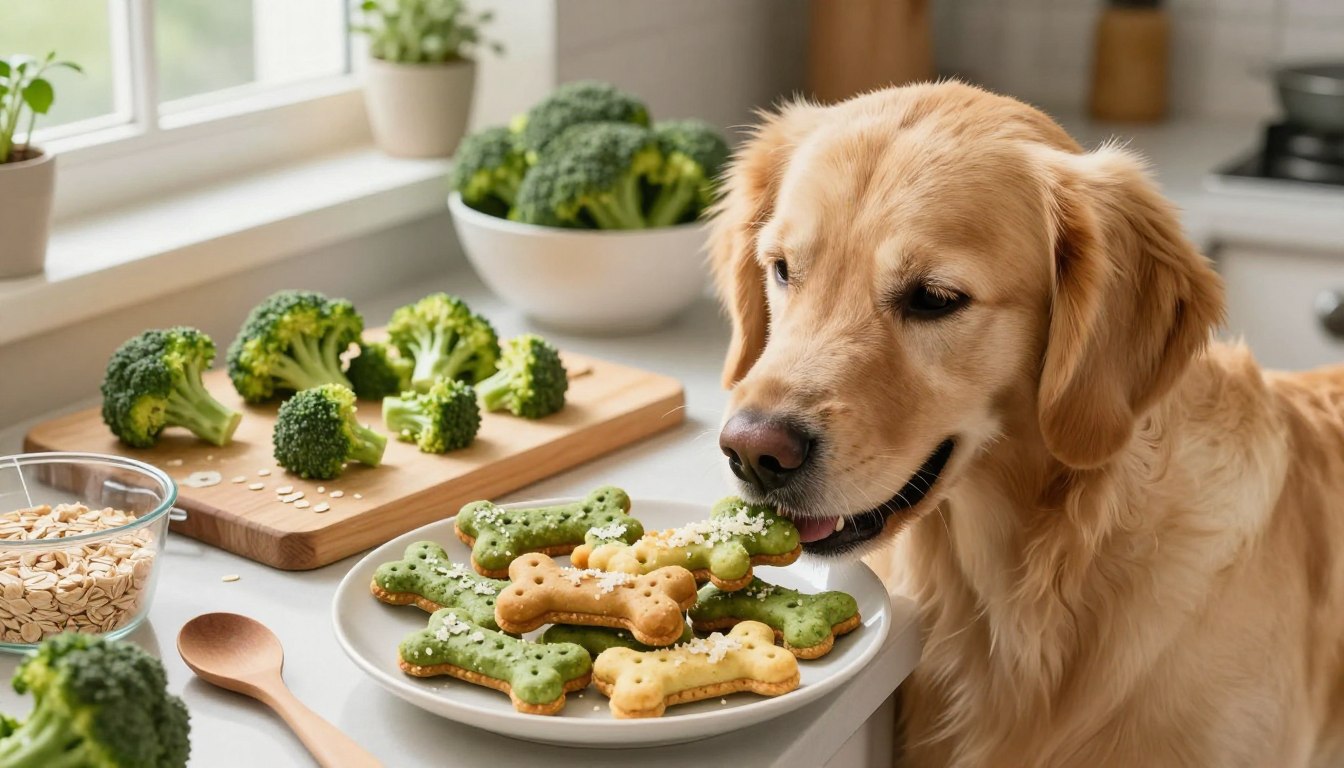
Many pet owners are finding out that broccoli is great for homemade dog treats. Making snacks at home lets you control the ingredients. This way, your pet gets the benefits of broccoli for dogs in a fun, tasty way. You can also make treats that your dog will love.
Mixing Broccoli with Lean Proteins
One easy way to make snack time better is to mix steamed broccoli with lean proteins like chicken or turkey. This mix is a high-value reward that’s great for training or as a special treat. The low-fat proteins go well with broccoli’s fiber.
To make this, chop the steamed broccoli finely and mix it with cooked, shredded meat. You can freeze these portions in an ice cube tray for a cool, protein-rich snack. This keeps your dog excited about their food and adds healthy vitamins.
Homemade Broccoli and Carrot Dog Biscuits
If you like baking, making your own dog biscuits is a great idea. A simple recipe mixes oat flour, a mashed egg, chopped broccoli, and grated carrots. These ingredients bake into a crunchy, tasty biscuit that lasts for days.
Always remember to skip adding salt, sugar, or artificial flavors to your dough. Keeping the recipe simple and natural makes a healthy snack that’s good for your dog’s digestion. Your dog will love the effort you put into making these tasty, nutritious treats.
Common Mistakes Owners Make When Feeding Vegetables
Feeding your dog fresh veggies is a smart move. But common mistakes can ruin your efforts. Knowing these mistakes helps keep your pet healthy and happy.
Adding Seasonings and Oils
Many owners add human seasonings to their pet’s food. But, when feeding dogs broccoli, avoid salt, garlic, onion powder, or butter. These can harm your dog’s stomach or even be toxic.
Cooking oils are also a risk. While a bit of healthy fat is okay, too much oil can make your dog gain weight. It’s best to keep snacks simple and plain.
Ignoring Choking Hazards
Even the best vegetables dogs can eat can be dangerous if not cut properly. Big, raw broccoli pieces can block a dog’s throat, which is a big risk for small dogs or quick eaters. Always chop veggies into small, safe bites.
To keep your pet safe, avoid these mistakes:
- Adding salt or spices: These can upset your dog’s stomach or cause health problems.
- Using butter or heavy oils: These can lead to obesity and pancreatitis.
- Serving large, unchopped pieces: This is a big choking hazard for your dog.
- Including toxic aromatics: Never use garlic or onion, as they are very dangerous for dogs.
By avoiding these mistakes, you can make sure your dog gets the good from fresh veggies safely. Consistency and caution are key to a healthy diet for your dog.
Conclusion
Feeding your furry friend fresh produce is a great way to boost their nutrition. You now know if dogs can have broccoli as part of their diet. This veggie is a crunchy, vitamin-packed snack if prepared right.
Pet owners often ask if broccoli can upset their dog’s stomach. By giving small amounts and watching for any signs of discomfort, you can make it a good experience. Remember, every dog is different, so watch how your pet reacts to new foods.
Brands like Purina or Blue Buffalo stress the value of whole foods for dogs. Adding fresh veggies supports this and keeps your dog excited for meals. If you have questions about your dog’s health or diet, talk to your vet.
Sharing healthy snacks strengthens your bond with your pet. You’ll know you’re giving them good food that helps their health in the long run. Start slow, be careful, and enjoy giving your loyal friend the best care.