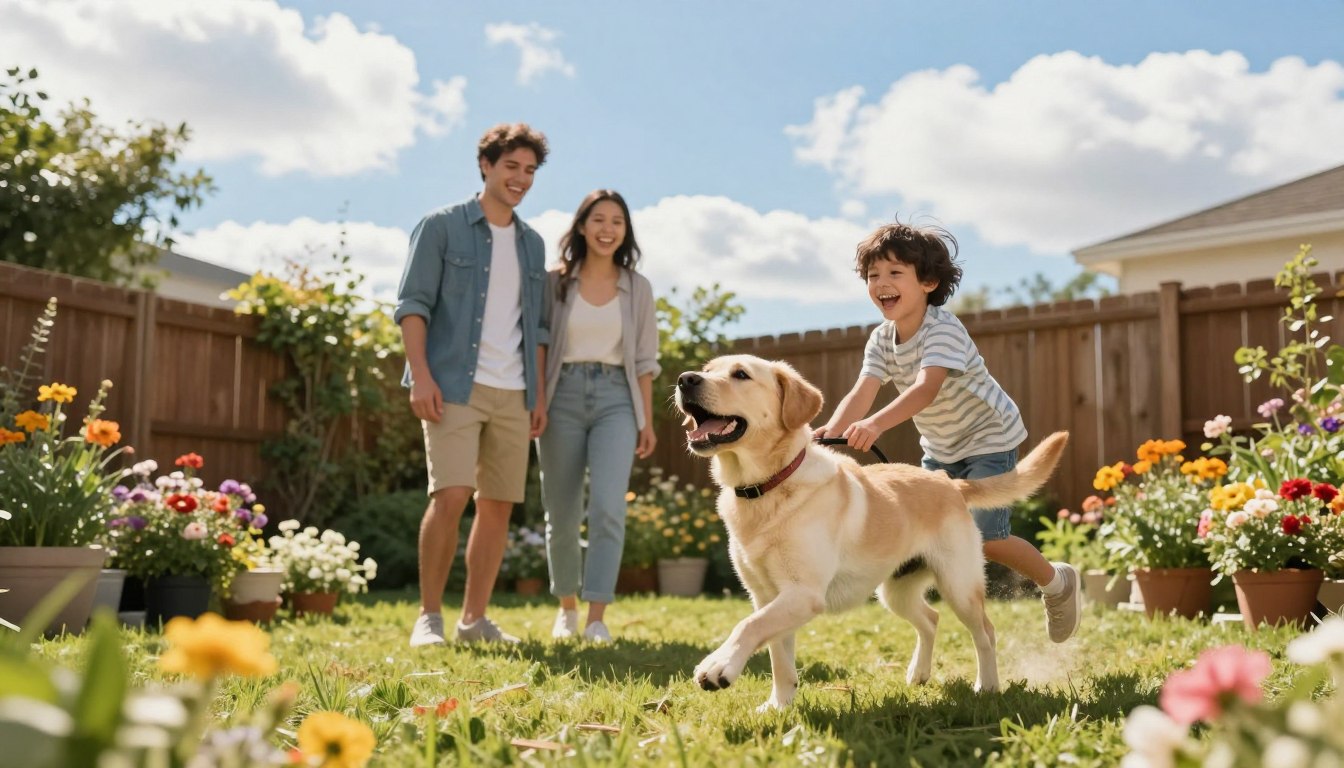
Did you know that over 60 million households in the United States have a dog? Getting a new pet is a big decision that needs careful thought. Choosing the best dog breeds for families is key to a happy home for your kids.
Finding the right pet is all about matching your lifestyle and energy. You need to consider the dog’s temperament, size, and activity level. Choosing wisely helps avoid future problems and strengthens the bond between your kids and their new pet.
When you pick a pet that fits well, you set the stage for years of joy. Knowing what makes a dog a good fit for families helps you find the perfect pet. Let’s look at how to find the ideal companion for your home.
Key Takeaways
- Assess your household activity level before choosing a pet.
- Prioritize temperament and patience when selecting a companion for children.
- Consider the size of the animal in relation to your living space.
- Research specific traits to ensure a smooth transition for everyone.
- Focus on long-term compatibility to foster a strong, loving bond.
Understanding the Traits of the Best Dog Breeds for Families
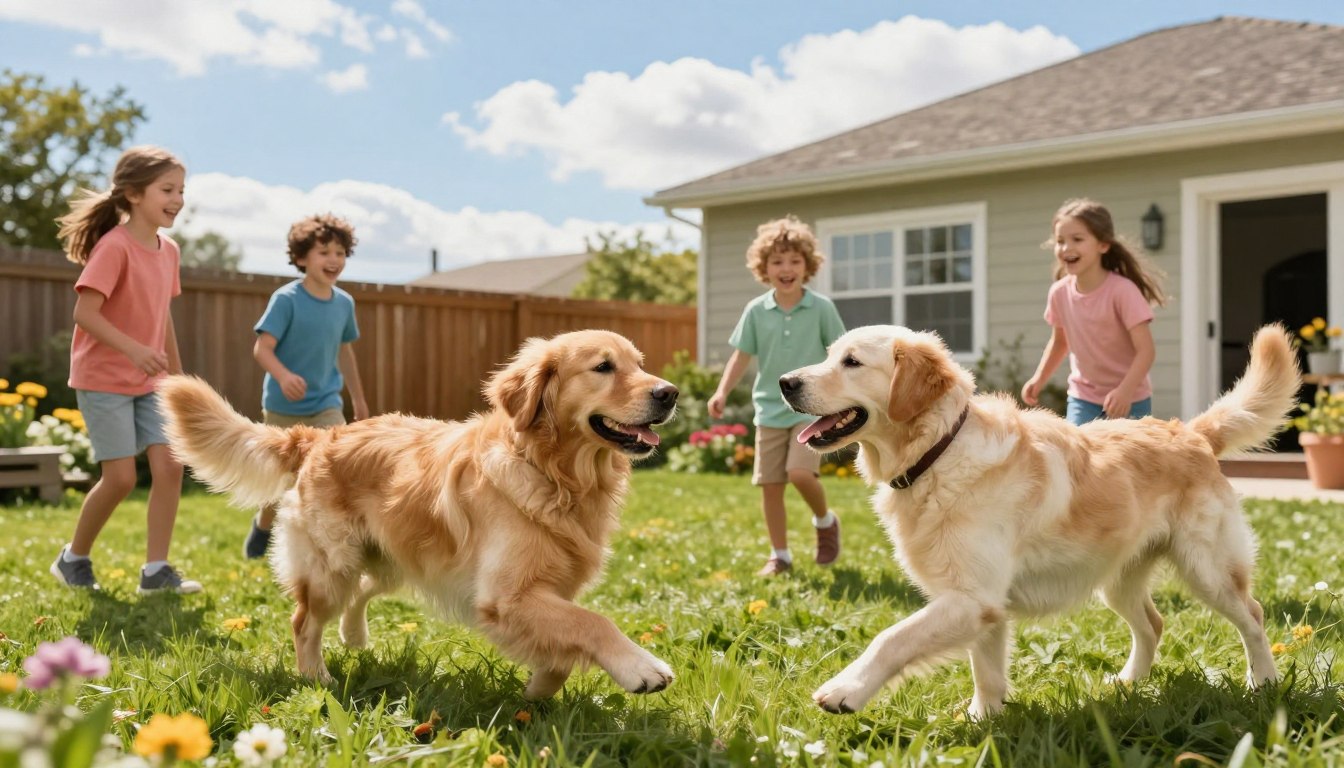
When looking for the best dog breeds for families, temperament is more important than looks. Many choose pets based on appearance, but the real success comes from how well the dog handles household chaos. It’s important to find a dog that ensures safety and happiness for everyone.
Temperament and Patience Levels
A dog’s calmness in unpredictable moments is key when living with kids. You want a pet that is patient and gentle, even when things get loud. The best dogs for family homes are those that handle sudden movements and noise well without getting anxious or reactive.
- Look for breeds known for their steady, predictable nature.
- Prioritize dogs that show a high tolerance for handling.
- Observe how the dog reacts to new people and environments.
Energy Levels and Activity Requirements
It’s important to match a dog’s energy to your family’s lifestyle. Some breeds need lots of exercise, while others are happy with short walks and playtime indoors. If you love weekend hikes, a high-energy breed might be great. But if you’re more laid-back, a calmer dog is better.
Regular exercise helps prevent boredom and bad behavior in dogs. When you match the dog’s exercise needs to your lifestyle, you create a stable home for your kids and your new pet.
Size Considerations for Different Living Spaces
Size is a big factor in how well a dog fits into your home. Large breeds need more space, while smaller dogs might be better for apartments or small homes. But remember, not all small dogs are low-energy, and not all large dogs need a huge backyard.
Think about these things when checking if a dog fits your space:
- Available indoor floor space for play and rest.
- Access to nearby parks or outdoor areas for exercise.
- The dog’s comfort level with navigating stairs or tight hallways.
The Golden Retriever: The Quintessential Family Companion
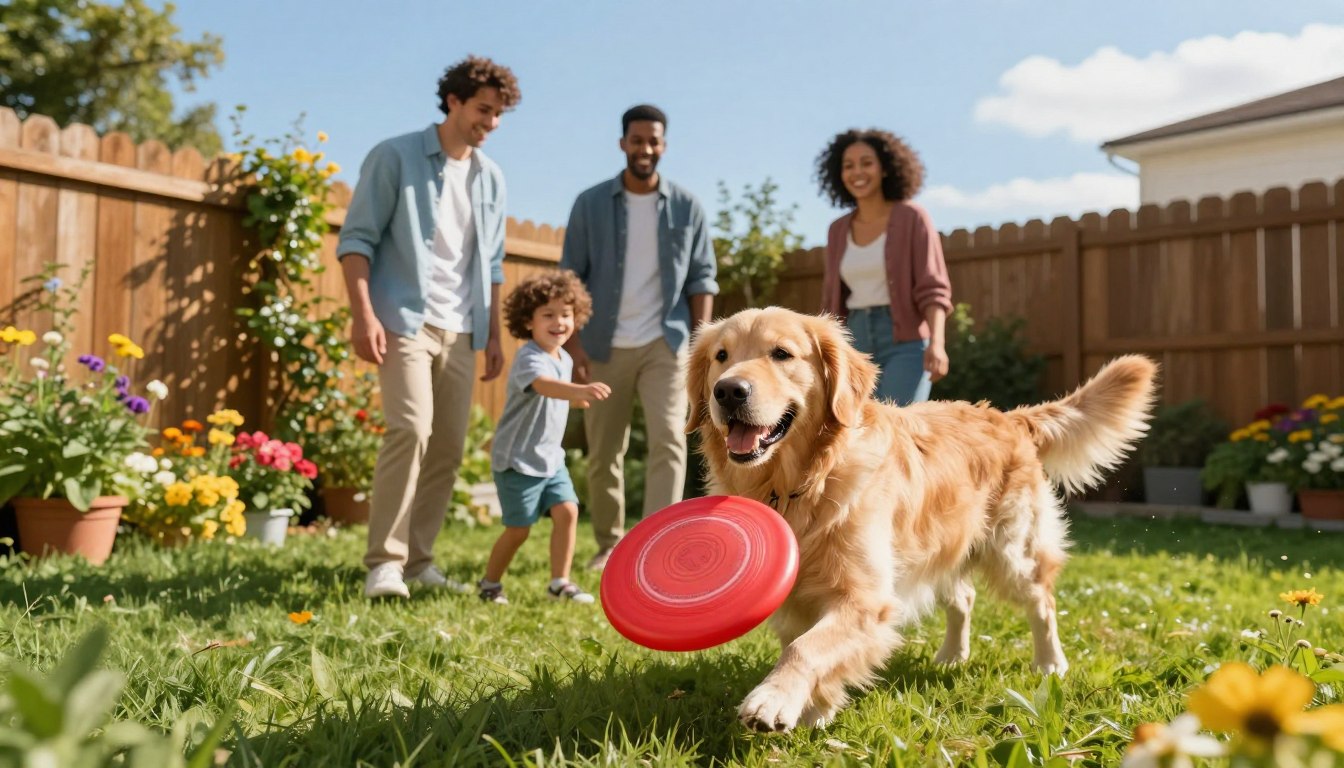
Few breeds capture the hearts of families like the Golden Retriever. They are celebrated as one of the most family-friendly dog breeds today. Their intelligence, kindness, and playfulness make them a great fit for many homes.
Why They Excel with Children
Golden Retrievers have an innate patience that’s amazing with kids. They play gently and carefully, understanding the needs of small children. This is why they’re often seen as top dogs for family homes.
They are loyal and always want to be near their family. They enjoy playing and relaxing with their family. Their eagerness to please also makes them easy to train, which is great for busy parents.
Grooming and Maintenance Needs
Golden Retrievers need a bit more care than their personality suggests. They have a thick, double coat that keeps them warm. To keep their fur healthy and reduce shedding, regular brushing is key.
Brush your dog two to three times a week to remove loose hair and prevent matting. During shedding seasons, you might need to brush daily. This routine keeps your home clean and strengthens your bond with your pet.
Labrador Retrievers: Playful Partners for Active Kids
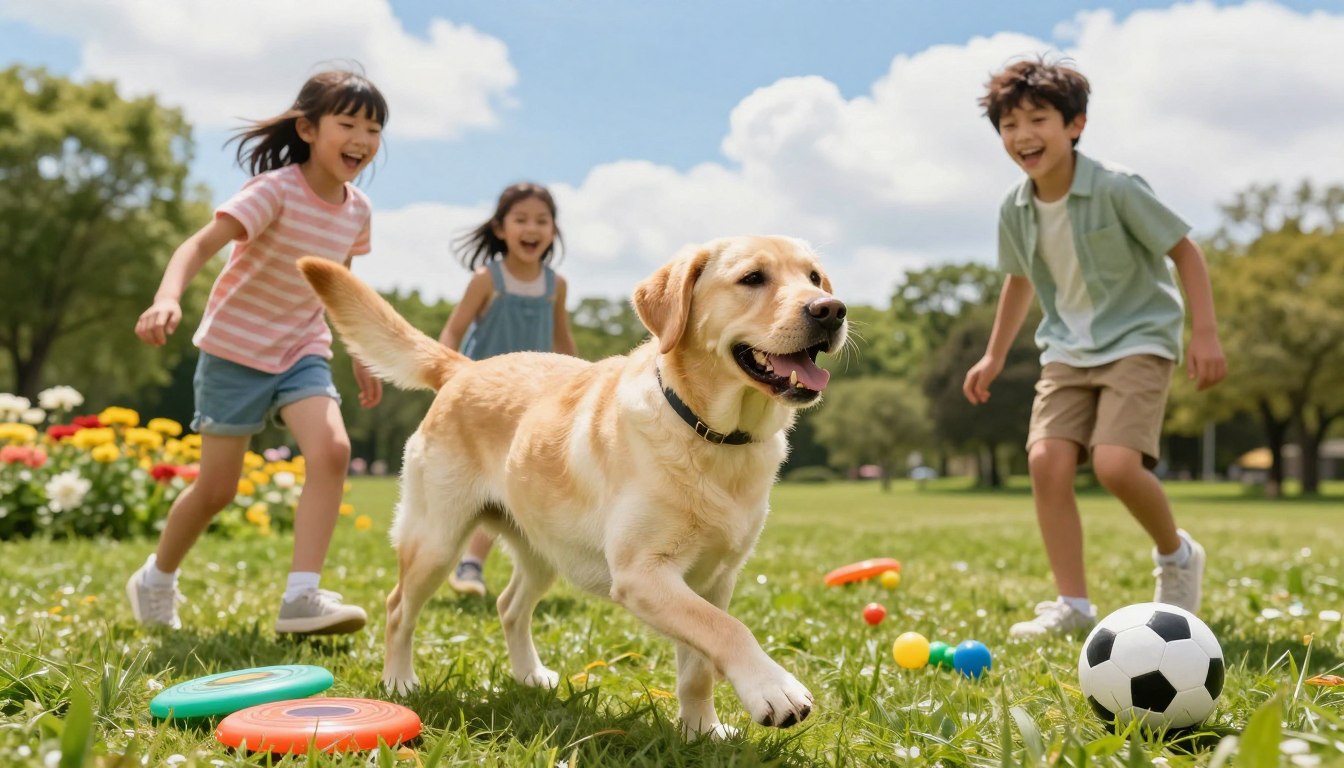
Labrador Retrievers are known for their joy and friendly nature in family settings. They are among the top family-friendly dog breeds in the U.S. Their high energy is perfect for outdoor fun and games.
Social Nature and Trainability
Labradors are known for being eager to please, making them easy to train. They love being around people and other pets. This makes them great for dogs in family homes.
Training them helps them use their energy in good ways. They do well in obedience training with clear instructions and positive feedback. Here are some reasons they make excellent pets:
- High sociability: They usually get along well with strangers and other animals.
- Quick learners: Their intelligence helps them learn basic commands quickly.
- Patient demeanor: They handle the chaos of children well.
Health Considerations for the Breed
Labradors are strong and active, but need special care. Keeping them healthy ensures they stay happy in your home for a long time. Regular vet visits are key to their well-being.
They can get hip and elbow dysplasia, which affects their movement as they get older. They also might get fat if they eat too much. Staying active is important for their health.
Beagles: Compact and Cheerful Playmates

If you’re searching for a lively and compact friend, the Beagle is a great pick. These dogs are known for their happy nature and sturdy, small size. They make perfect family pets for families who love to stay active.
They are friendly with kids and other animals, too. This makes them a great choice for many families.
The Importance of Early Socialization
Getting your Beagle socialized early is key. Introduce them to new sights, sounds, and people when they’re young. This helps them feel confident and friendly.
By doing this, you help them avoid being shy. They become the perfect family pets everyone wants.
Exposing them to different places helps them stay calm in new situations. This early training is essential for a happy, social dog. It helps them fit into your busy life.
Managing Their Curious Nature
Beagles follow their noses on adventures. This means they can wander off if not kept in check. It’s important to manage their curiosity.
Play scent games or give them puzzle toys to keep their minds busy. This reduces the urge to chase smells. With the right training, they can safely explore their surroundings.
The Gentle Giant: Newfoundland Dogs
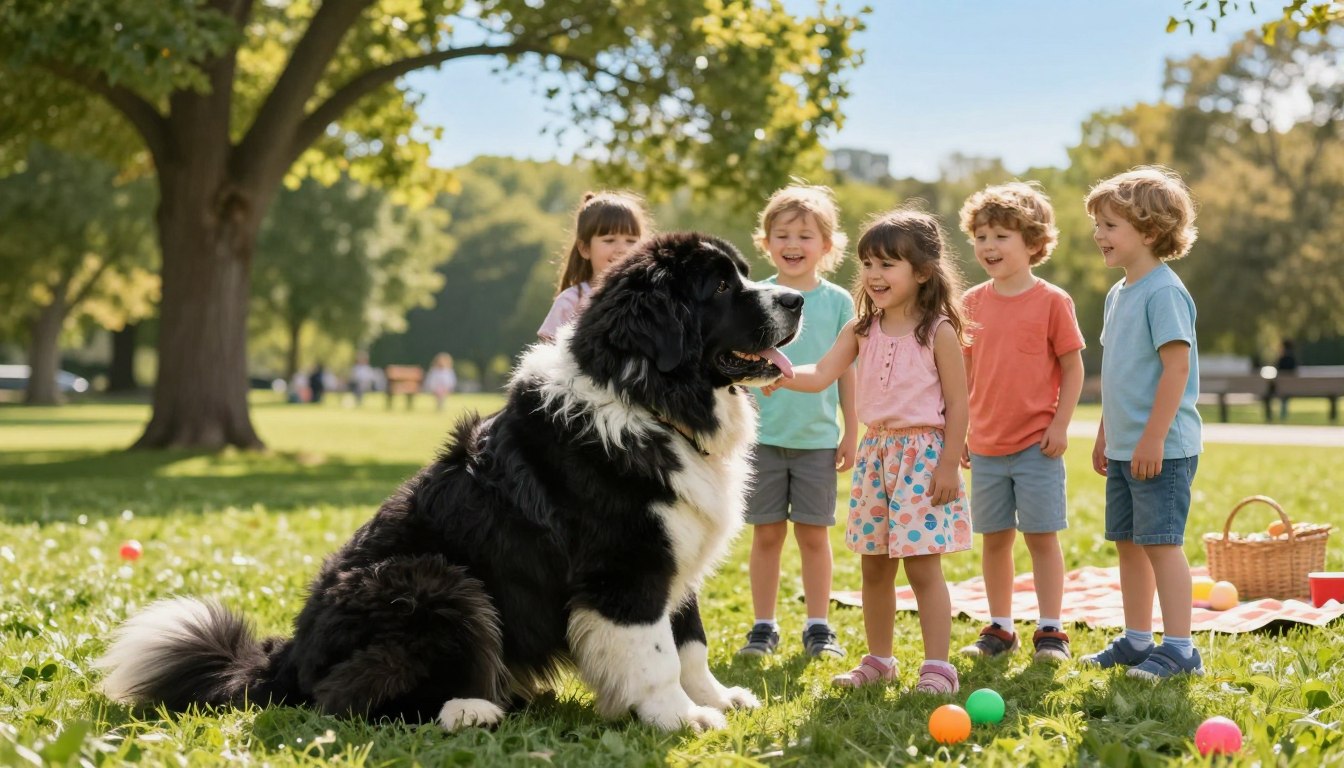
When looking for top dogs for families, the Newfoundland is a top pick. They are known for their extraordinary patience and loving nature. This makes them a great fit for any home, even those with young kids.
Protective Instincts and Calm Demeanor
Newfoundlands have a natural protective instinct, but are never aggressive. They stay calm in busy homes, making them incredibly gentle with toddlers. This is important for kids who are learning to interact with pets.
They watch over children quietly, acting as silent guardians. Their composure is a key trait of the breed. Families feel safe with these dogs around.
Space Requirements for Large Breeds
Newfoundlands need a lot of space to move around. They take up a lot of room, so they’re not good for small spaces. They need enough room to stretch out and relax.
It’s important to have a dedicated area for them to rest. Despite their size, they are quiet indoors. With enough space, they become loyal members of the family, loving human connections.
Collies: Loyal Guardians for Your Household
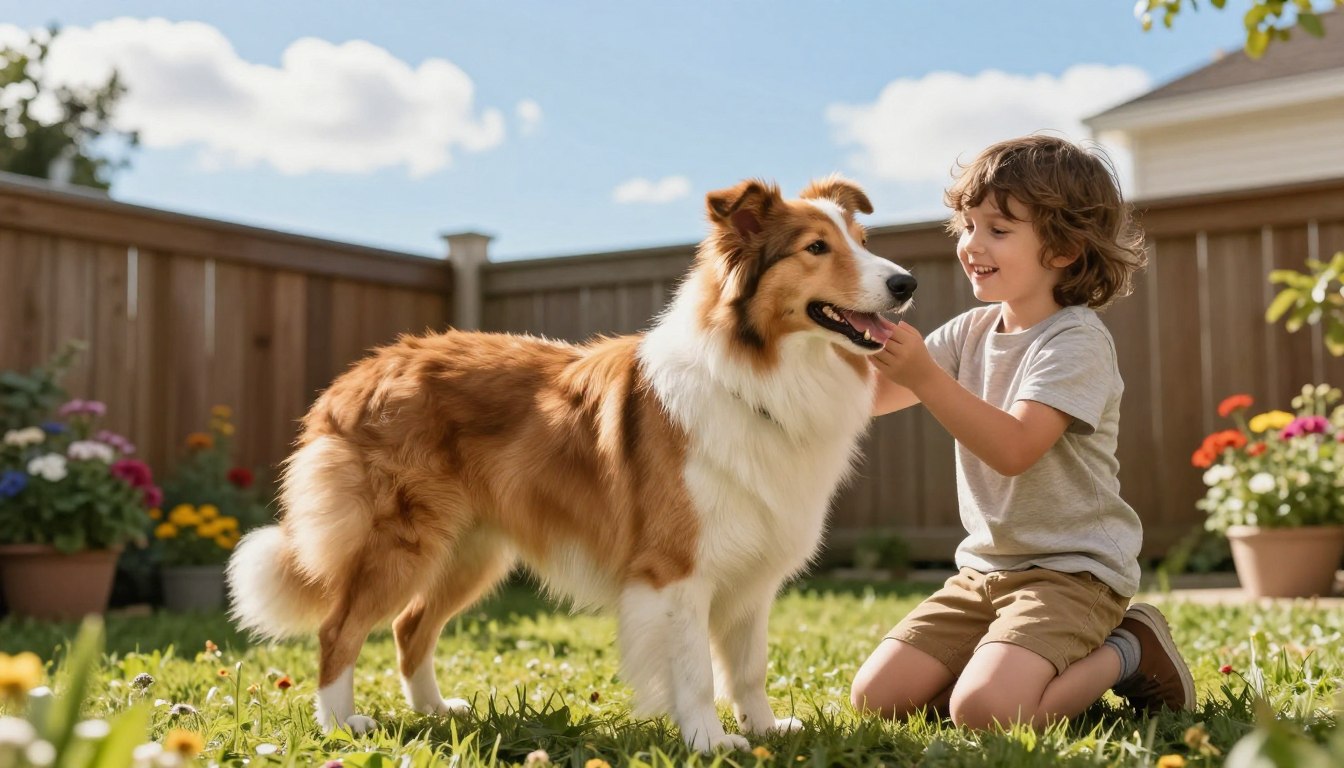
Collies are known for their grace and protective nature, making them top dogs for families. They are intelligent and sensitive, great for children of all ages. Their watchful eyes and calm demeanor offer a sense of security for parents.
Herding Instincts and Child Interaction
Collies have a history as working dogs, showing natural herding tendencies. You might see them gently nudging children or trying to keep them together. It’s important to guide these instincts early on.
To ensure positive interactions, consider these simple steps:
- Supervise all play sessions between your dog and young children.
- Teach your children how to interact calmly without running or shouting.
- Redirect the dog’s focus to a toy if they begin to exhibit intense herding behaviors.
- Reward your Collie for staying calm and relaxed around the family.
Mental Stimulation and Training
Collies are highly intelligent, thriving when they have a job to do. Without proper mental engagement, they can become bored or restless. Consistent training is key to keeping them happy and well-behaved.
Engaging their minds with puzzle toys, agility training, or daily obedience practice is essential. These activities strengthen the bond between the dog and the family. By investing time in their development, you’ll see why many consider them perfect family pets for active households.
Poodles: Intelligent and Hypoallergenic Options
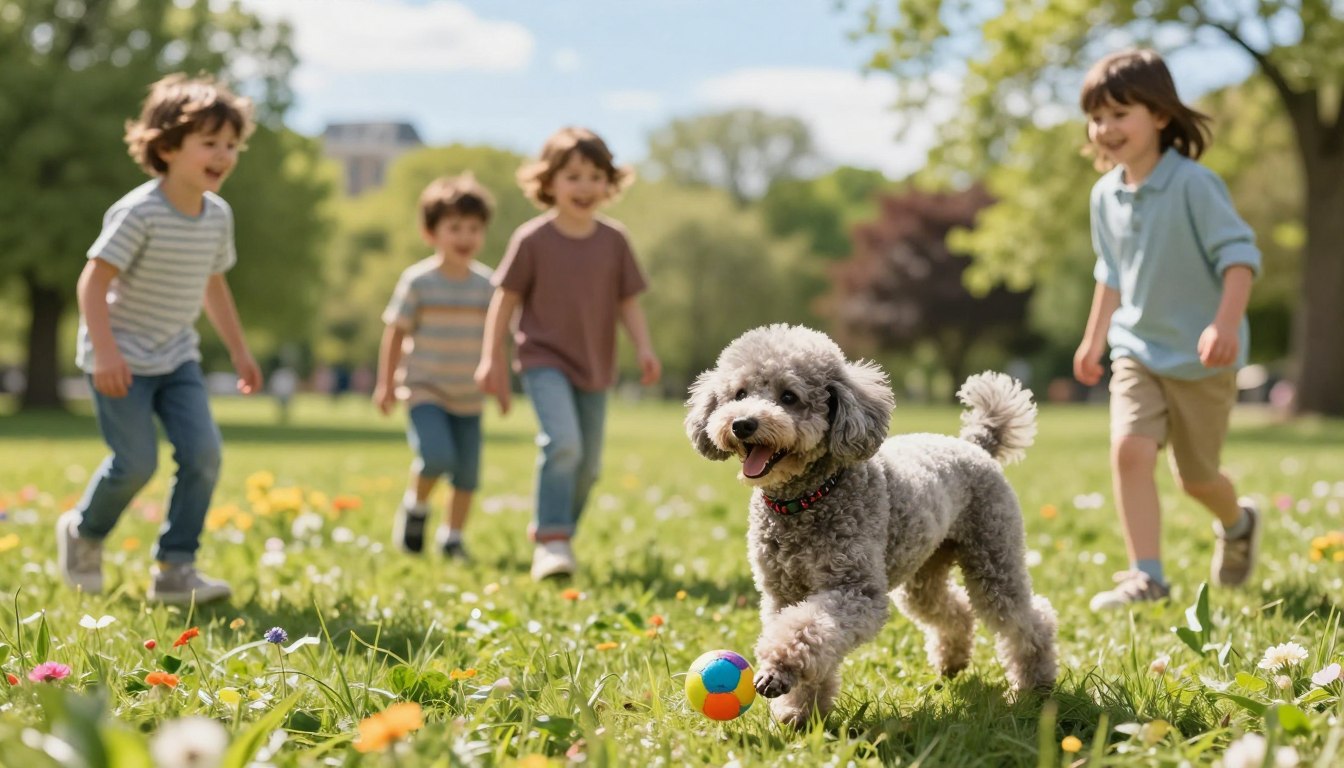
When looking for top dogs for families, Poodles are a great choice. They are smart and have low-shedding coats. These traits make them perfect for learning and fitting into different homes.
They are also very friendly. This makes them great for any family wanting a smart and loving pet.
“The intelligence of a Poodle is matched only by their deep devotion to their human family members.”
Varieties: Standard, Miniature, and Toy
Poodles come in three sizes: Standard, Miniature, and Toy. This means families can pick the right size for their home. The Standard Poodle is big and active, perfect for kids who love to play.
They are also calm, which might surprise you. The Miniature and Toy Poodles are smaller but just as smart and fun. They are great for families with smaller homes or apartments.
Grooming Requirements for Allergy Sufferers
Poodles are chosen for their hypoallergenic coat. This coat is less likely to cause allergies. But it needs regular grooming to stay healthy.
Owners should plan for professional grooming every 4 to 6 weeks. Daily brushing helps keep their coat looking good and prevents tangles. It’s also important to clean their ears regularly to avoid infections.
By grooming your Poodle well, you keep them looking great and comfortable for people with allergies. Staying on top of grooming means you can enjoy having a smart and loyal dog.
Irish Setters: Energetic Friends for Older Children
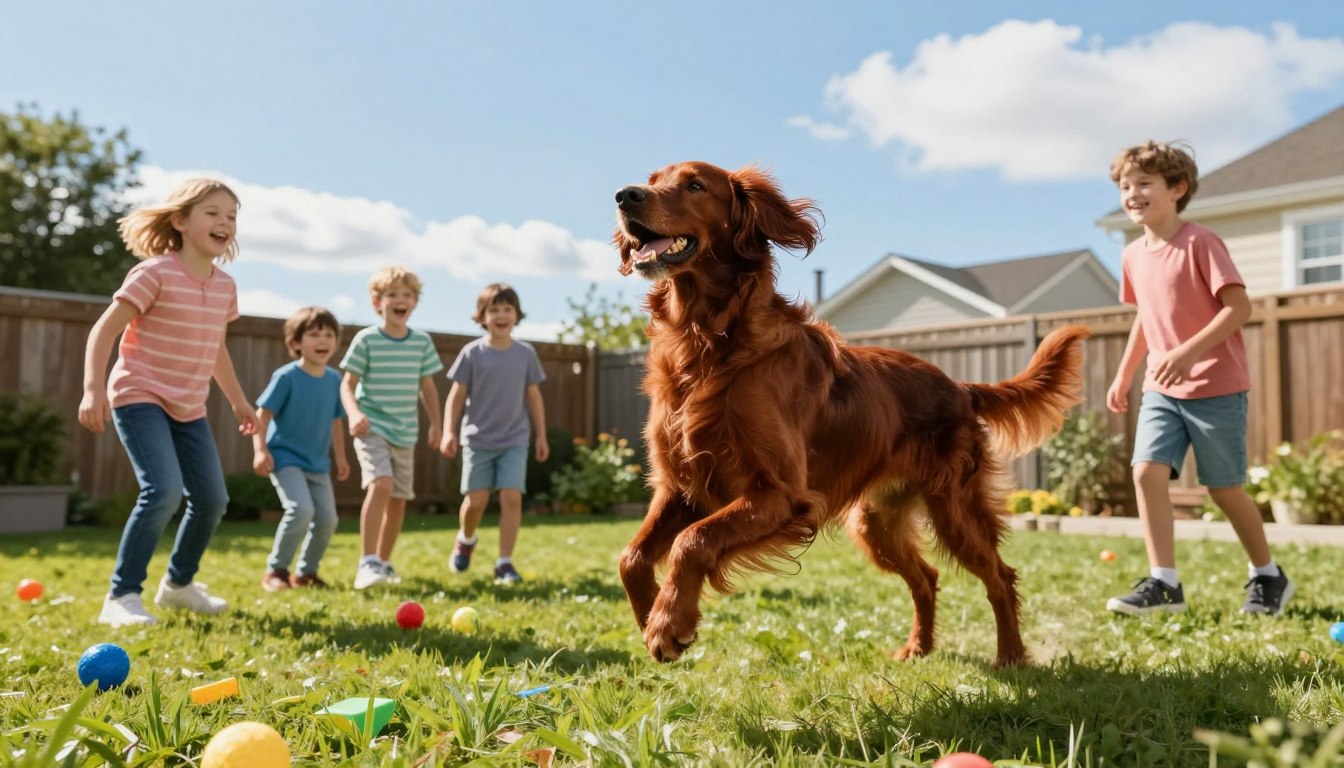
The Irish Setter is a top pick for families who love outdoor fun. They are known for their vibrant energy and happy nature. This makes them great friends for older, active kids.
Playfulness and Exercise Needs
Irish Setters need lots of daily exercise to be happy and healthy. A simple walk is not enough for them. They love to run and play in open spaces.
Without enough activity, they can get restless or bored. It’s key for owners to provide regular exercise. Playing games like fetch or agility training keeps them sharp and fit.
Building a Bond Through Activity
Sharing adventures is the best way to bond with your Irish Setter. Being part of your daily activities makes you a team. Whether it’s a camping trip or a jog, it builds trust and love.
Training sessions are also great for bonding. Positive reinforcement helps teach new skills and shows you’re in charge. This keeps your dog well-behaved and part of the family.
Vizslas: The Velcro Dogs for Active Families
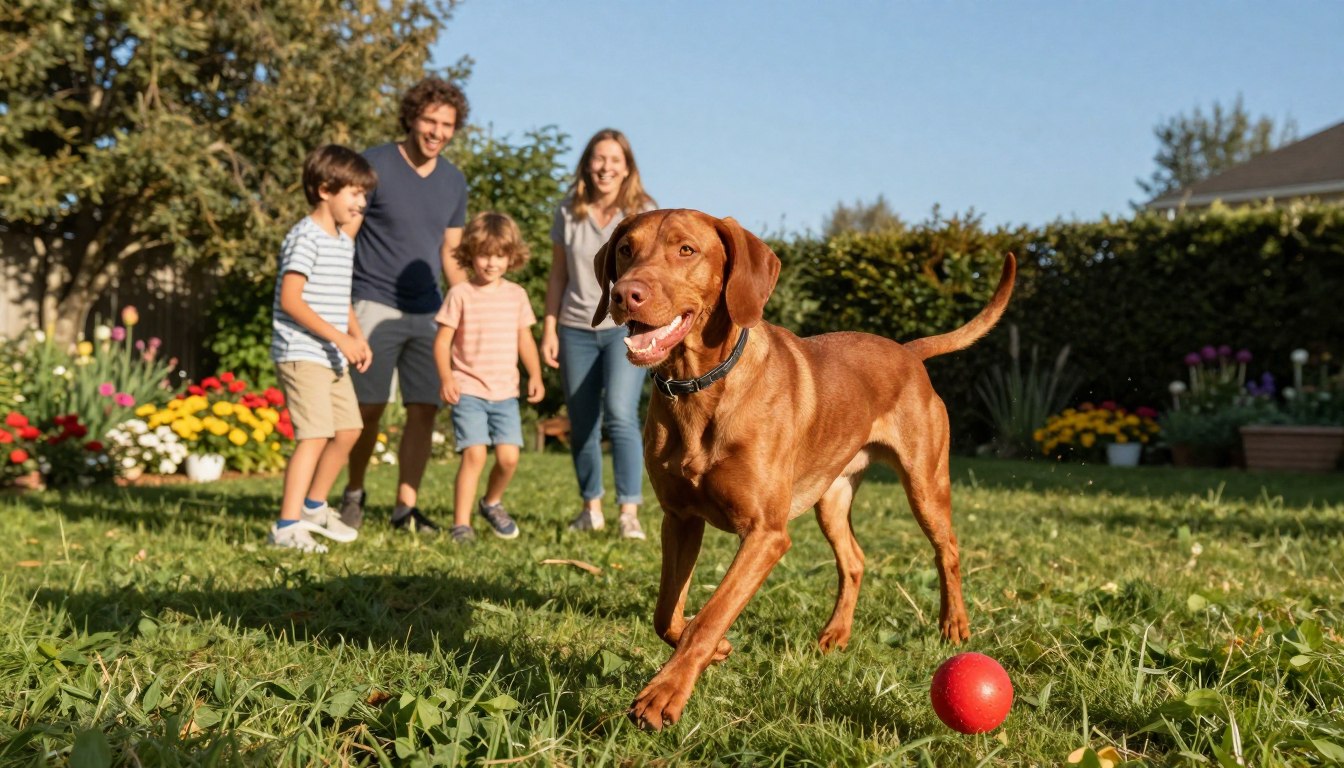
Vizslas are known as “Velcro dogs” because they stick to their owners like glue. They are among the best family dogs for those who love to spend time with their pets. They always want to be close, making them a loving part of any home.
Affectionate Nature and Attachment
Vizslas love to be touched and connected with their family. They don’t like to be alone; they want to be in the action. This makes them great for families who value quality time together.
They don’t do well when left alone for too long. Consistent interaction is key to their happiness. They see themselves as part of the family.
Daily Exercise and Engagement
To keep a Vizsla happy, they need lots of exercise and mental challenges. A bored Vizsla can get restless. Here are some ways to keep them engaged:
- Long morning jogs or brisk neighborhood walks.
- Interactive games like fetch or hide-and-seek in the yard.
- Advanced obedience training to stimulate their sharp minds.
- Hiking trips on weekends to explore new trails.
Meeting their energy needs keeps them calm and loving indoors. They are perfect for active families. When their needs are met, they bring joy and loyalty to any home.
Bulldogs: Sturdy and Docile Companions
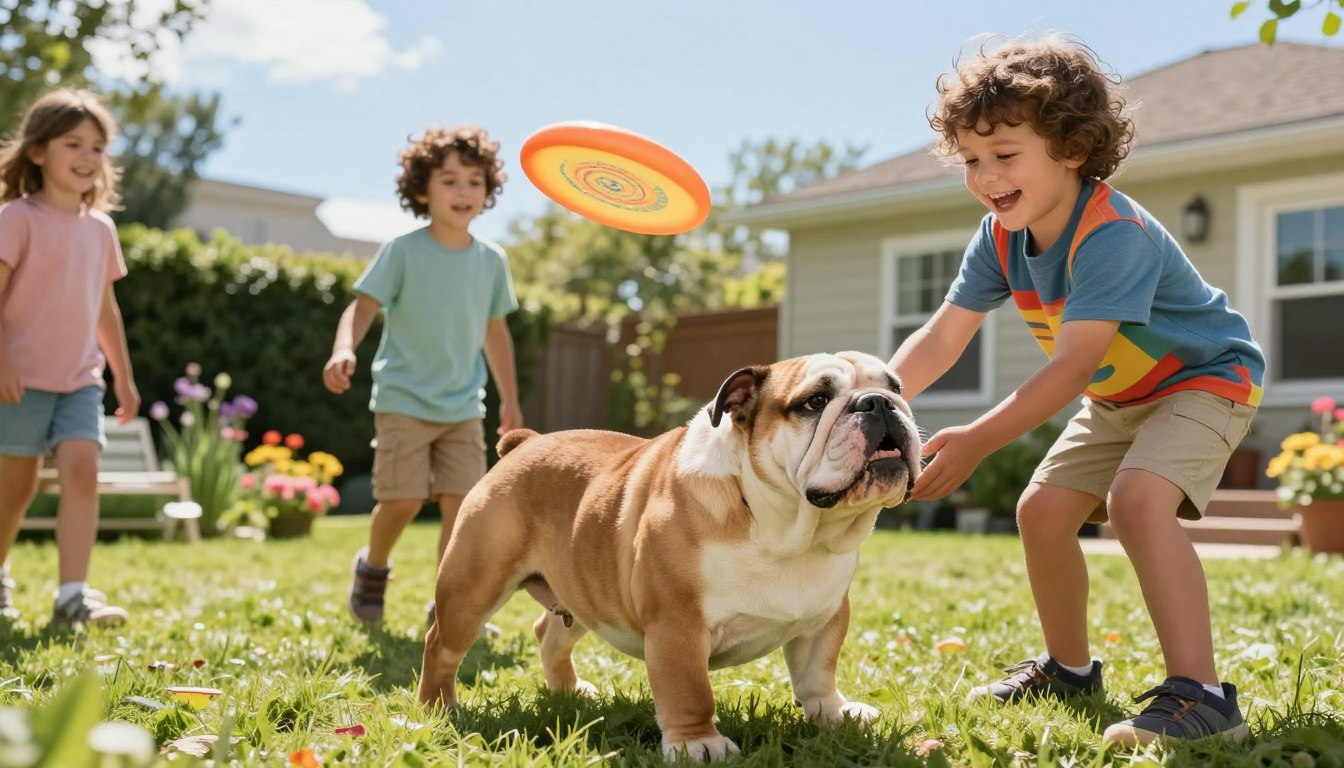
The Bulldog is a top choice for families who love a relaxed lifestyle. They are known for being gentle and patient, perfect for kids who like quiet games. Their strong build and calm nature make them a safe and comforting addition to any home.
Low Energy and Indoor Living
If you prefer cozy nights on the couch over long hikes, Bulldogs are perfect. They don’t need a lot of space to be happy. This makes them great for families living in apartments or suburbs.
Health and Temperature Sensitivity
Bulldogs are wonderful pets, but need special care to stay healthy. They can’t handle extreme temperatures, so keep them cool in summer. This prevents them from getting too hot.
It’s important to take them to the vet regularly. This helps check their breathing and joint health. By doing this, you keep your best family dogs happy and healthy for many years.
Cavalier King Charles Spaniels: The Ultimate Lap Dogs

When looking for ideal family dog breeds, the Cavalier King Charles Spaniel is a top choice. They are naturally sweet-tempered and full of love for their families. They bond deeply with everyone in the home.
Gentle Temperament for Small Children
The Cavalier King Charles Spaniel is known for its gentle nature. This makes them perfect for families with small kids. They are remarkably patient and handle kids’ energy well.
These dogs are deeply devoted to their owners. They rarely get angry and love to please. This makes them great with toddlers, providing comfort and companionship.
Adaptability to Apartment Living
This breed is very adaptable to different living situations. They are happy in big houses or small apartments as long as they’re with their people. They don’t need a huge backyard to be happy.
They enjoy walks but don’t need a lot of exercise. This makes them great for city living. Their small size and quiet nature make them perfect for apartment living. Their charming personality is ideal for a relaxed, indoor lifestyle.
Bernese Mountain Dogs: Affectionate and Steady
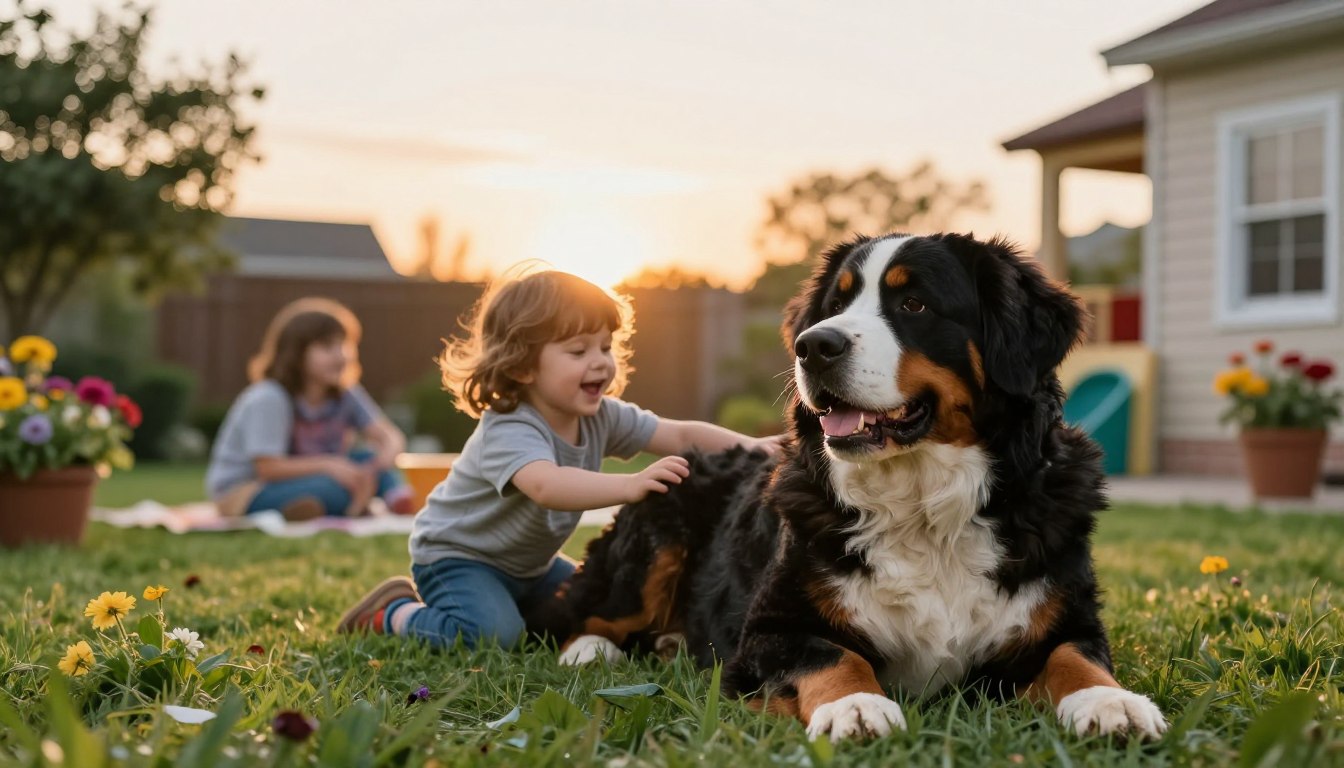
The Bernese Mountain Dog is a top pick for families. They are big, beautiful, and very loving. These dogs are known for their devotion to people. They make any home feel more peaceful.
Patience with Toddlers
Bernese Mountain Dogs are great with kids. They are very patient and calm, even when it’s loud. This makes them perfect protectors and friends for young ones.
Even though they are big, they are very careful around little kids. They are always watching and moving slowly. This makes them a true gentle giant.
Managing Shedding and Grooming
Their beautiful coats need regular care. They shed a lot, but brushing helps a lot. It keeps their fur from getting tangled and painful.
Having a weekly grooming routine is good for you and your dog. Use a slicker brush or metal comb to get to their undercoat. This keeps them comfortable and looking great.
Evaluating Your Family Lifestyle Before Adopting
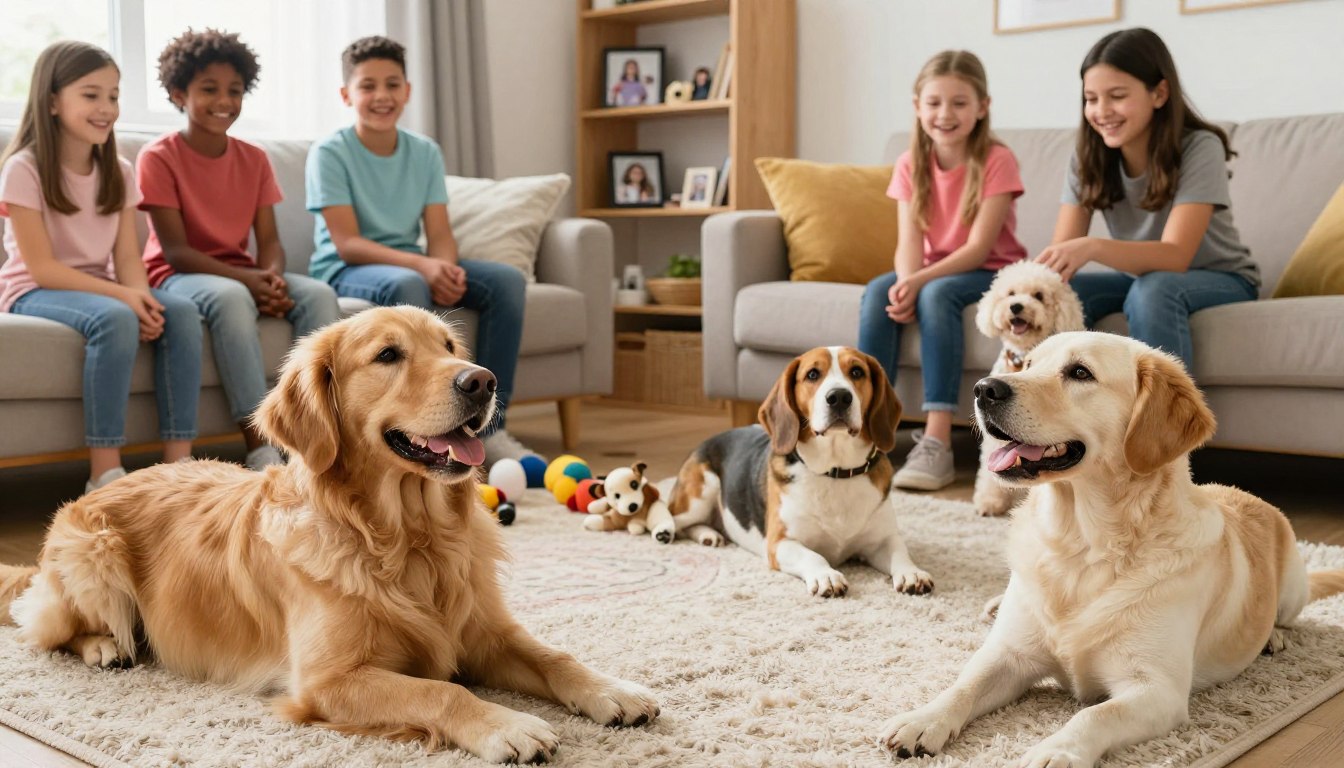
Choosing the right pet is more than just picking a cute face. It’s about matching your daily routine with the pet’s needs. Even the best dog breeds for families can struggle if they don’t fit your household’s pace. Reflecting on your current habits ensures a smooth transition for everyone.
Assessing Time Commitment for Training
Bringing a dog home is a big commitment. It’s not just about having a friend. You need to plan for daily walks, training, and grooming to keep your pet happy. Consistency is the secret ingredient for a well-behaved dog.
Before making your decision, consider these daily needs:
- Dedicated time for obedience training and socialization.
- Multiple daily walks or active play sessions in the yard.
- Regular grooming schedules to maintain coat health.
- Mental stimulation through puzzle toys or interactive games.
Budgeting for Veterinary and Food Costs
Being financially ready is as important as having time for your pet. Good nutrition and regular vet visits are key to responsible pet care. Remember, bigger dogs often cost more for food and vet bills.
“The greatness of a nation and its moral progress can be judged by the way its animals are treated.”
To manage your budget, plan for these ongoing costs:
- Premium dog food tailored to your pet’s age and size.
- Annual wellness exams and necessary vaccinations.
- Monthly preventatives for heartworm, fleas, and ticks.
- Emergency savings for unexpected vet visits.
By planning your finances and schedule early, you create a stable home for your dog. This proactive approach makes pet ownership rewarding without stress.
Preparing Your Home for a New Four-Legged Member
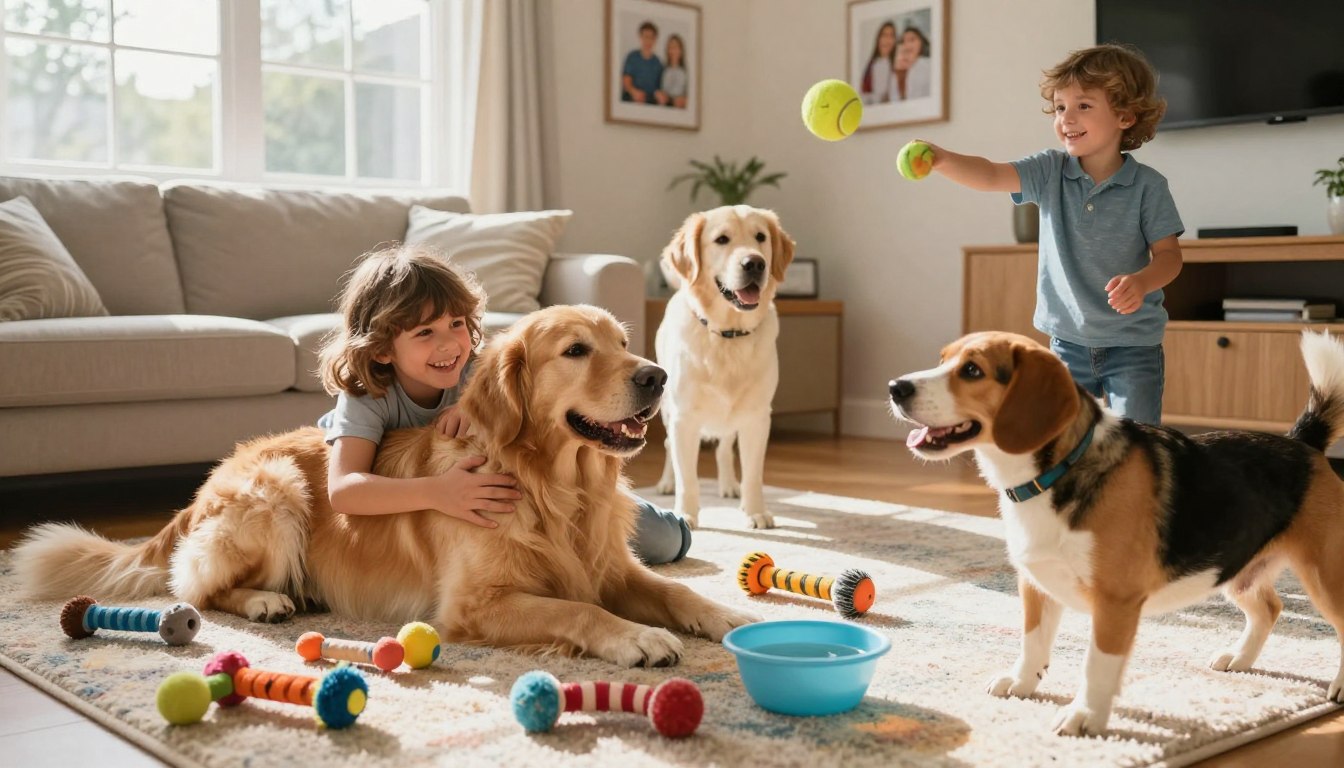
Getting ready for a new pet starts before they arrive. Organizing your home makes sure that even the ideal family dog breeds feel at ease. This preparation helps reduce stress for both pets and people.
Setting Up Safe Zones for the Dog
Every dog needs a quiet spot to relax or hide when feeling stressed. This area should be cozy and away from children. It’s where your dog can feel truly safe.
Here are some key items for your dog’s safe space:
- A comfortable crate or bed in a quiet corner.
- Baby gates to keep rooms safe from your dog.
- Chew toys for fun and comfort.
- Fresh water bowls that are always ready.
Teaching Children Proper Interaction Techniques
Creating a loving bond between kids and pets needs clear rules and supervision. Even with ideal family dog breeds, it’s important to teach kids about a dog’s personal space.
Here are some basic rules for a respectful relationship:
- Always ask before petting: Teach kids to wait for the dog to come to them.
- Gentle touch: Show kids how to pet the dog’s back, not ears or tails.
- Respect the quiet time: Tell kids to leave the dog alone when it’s in its safe zone.
- Supervised play: Watch all interactions closely, at least in the first few weeks.
Setting these rules early helps everyone live together happily. This way, your new pet can thrive, and your home stays a joyful place for all.
The Importance of Professional Training and Socialization
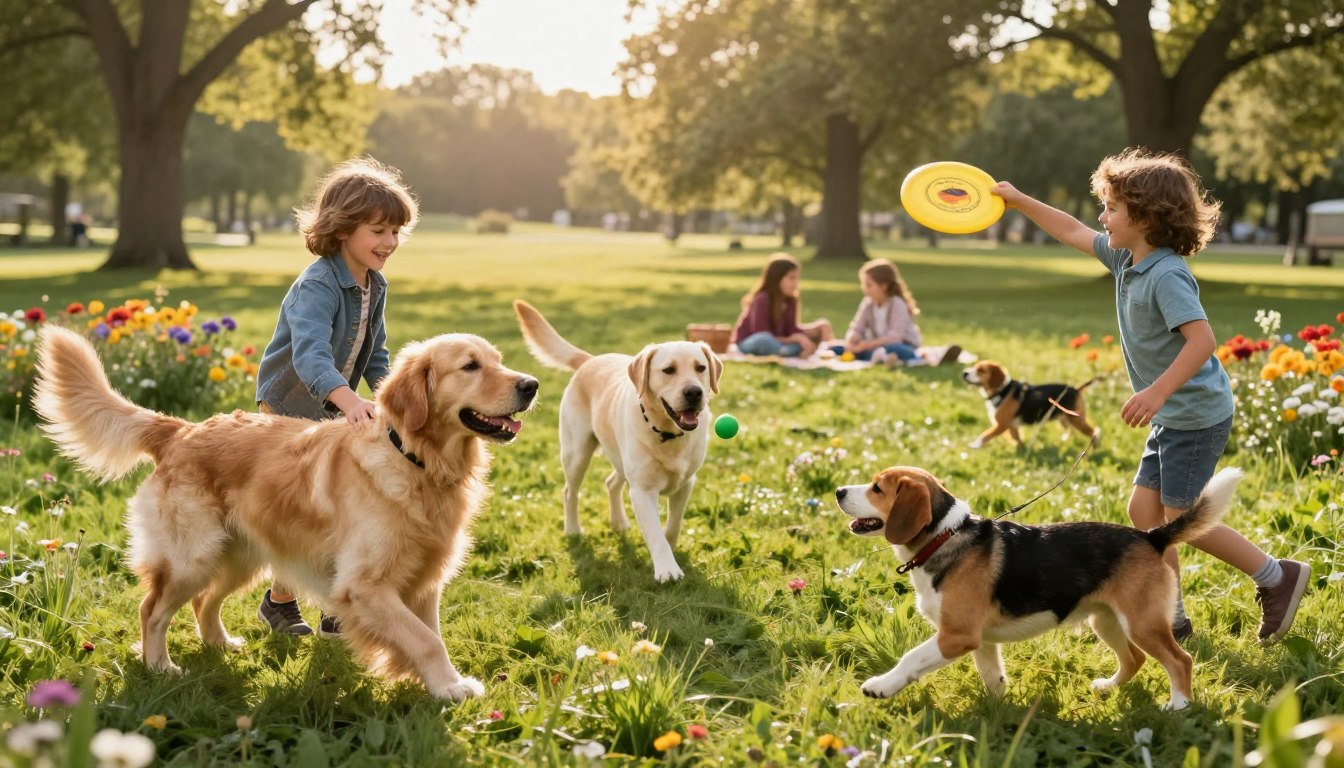
Investing in your dog’s education is key to making them a beloved family member. Even the most family-oriented dog breeds need guidance to fit into human homes. Professional training gives them the structure to thrive in different settings.
Benefits of Puppy Kindergarten
Putting your new pet in puppy kindergarten is a transformative experience for both. These classes are a safe space for puppies to learn with other dogs and people. It’s essential for building confidence and avoiding future problems.
These sessions also teach basic skills like sitting, staying, and coming when called. Trainers offer expert feedback to help you understand your dog’s personality. This early investment leads to a well-adjusted pet that fits into your life easily.
Reinforcing Positive Behavior at Home
Training doesn’t stop when you leave the classroom; it must continue at home. Consistency is the key to success with even the smartest dog breeds. Use positive rewards like treats and praise for good behavior.
Ensure all household members follow the same rules to avoid confusing your pet. When everyone uses the same commands, your dog learns faster. Patience and persistence will turn your puppy into a polite and happy friend for years.
Conclusion
Choosing a new pet is a big step that brings joy to your home. You now know how to pick the right pet for your lifestyle.
Looking for family-friendly dog breeds is key to a good bond with your kids. These dogs are loyal and protective, making your life better.
Visit local shelters or breeders to meet pets in person. Seeing how a dog acts with your family shows its true nature.
Training and socializing your dog is important for a happy life together. Your hard work will lead to many happy moments with your new pet.
We hope this guide makes you feel ready to bring a pet home. If you need help, talk to your vet or a trainer.